Pilates Exercises for Beginners: A Comprehensive Guide (PDF Focus)
Pilates, especially mat Pilates, is accessible for beginners, requiring minimal equipment and offering adaptable movements. Numerous PDF resources and online classes
provide guided workouts,
catering to all fitness levels and goals, promoting strength and flexibility.
What is Pilates and Why Choose It?
Pilates is a low-impact exercise system developed by Joseph Pilates, focusing on core strength, flexibility, and precise movements. Unlike some workouts prioritizing quantity, Pilates emphasizes quality of movement, building a strong center and improving posture.
For beginners, mat Pilates is ideal – requiring only a mat and your bodyweight. It’s a fantastic starting point, offering modifications for various fitness levels. Choosing Pilates means investing in a holistic approach to wellness, enhancing muscle tone, balance, and mental focus, readily accessible through numerous PDF guides and online resources.
The History of Pilates: From Rehabilitation to Popular Fitness
Pilates originated in the early 20th century, conceived by Joseph Pilates as a rehabilitation program for injured soldiers and athletes. Initially termed “Contrology,” it focused on precise movements to rebuild strength and improve physical control.
Over time, Pilates evolved beyond rehabilitation, gaining popularity as a comprehensive fitness system. Today, over 12 million people practice it globally. Beginner-friendly PDF resources and online classes demonstrate this evolution, making the method accessible, while retaining its core principles of centering, control, and breath, proving its lasting impact.
Benefits of Pilates for Beginners
Pilates offers a multitude of benefits for those new to exercise, focusing on holistic well-being. It enhances flexibility, range of motion, and muscle tone, leading to improved posture and body awareness.
Crucially, Pilates builds core strength and stability, vital for everyday movements and injury prevention. Beginner PDF guides and online classes emphasize quality over quantity, ensuring proper form and maximizing results. This makes Pilates a worthwhile endeavor, adaptable to all ages and fitness levels, promoting a balanced, healthy lifestyle.
Increased Flexibility and Range of Motion
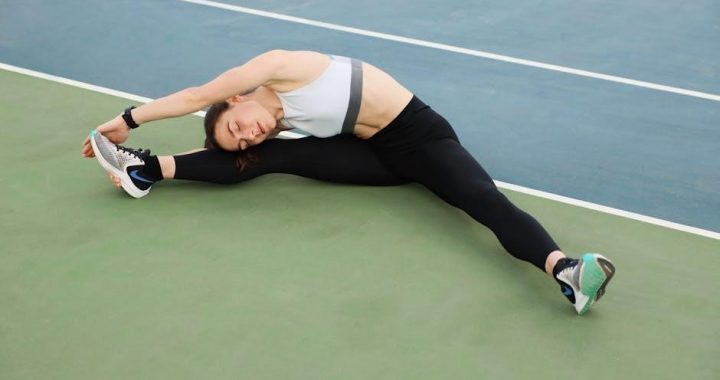
Pilates exercises gently lengthen muscles and increase joint mobility, resulting in improved flexibility and a wider range of motion. Beginner-focused PDF resources often include stretches and controlled movements designed to release tension and enhance suppleness.
This increased flexibility not only improves physical performance but also contributes to better posture and reduced risk of injury. Consistent practice, guided by accessible PDF workouts, unlocks greater ease and fluidity in everyday activities, promoting overall physical well-being.
Improved Core Strength and Stability
Pilates uniquely emphasizes core engagement, strengthening deep abdominal muscles and stabilizing the spine. Beginner Pilates PDF guides prioritize exercises that build this foundational strength, improving posture and balance.
A strong core supports the entire body, enhancing functional movement and reducing strain on the back. Accessible PDF workouts offer progressive challenges, helping beginners develop core control and stability, leading to improved athletic performance and everyday ease.
Enhanced Muscle Tone and Posture
Pilates focuses on precise movements that lengthen and strengthen muscles without bulk, leading to improved muscle tone throughout the body. Beginner-friendly PDF resources demonstrate exercises targeting specific muscle groups, promoting balanced development.
Consistent Pilates practice, guided by downloadable PDFs, corrects postural imbalances, aligning the spine and shoulders. This results in a more confident and graceful appearance, alongside reduced risk of pain and injury, enhancing overall physical well-being.
Mat Pilates vs. Reformer Pilates: Which is Best for Beginners?
For beginners, mat Pilates is generally recommended due to its accessibility and lower cost. PDF guides readily available online offer numerous mat routines requiring only a mat and your body weight.
Reformer Pilates utilizes a machine providing resistance, offering benefits but demanding more coordination and potentially requiring instruction. While effective, it’s a larger investment. Beginner PDFs often focus on mastering foundational mat exercises before progressing to the reformer, building a solid base.
Essential Equipment for Beginner Pilates (Minimal Investment)
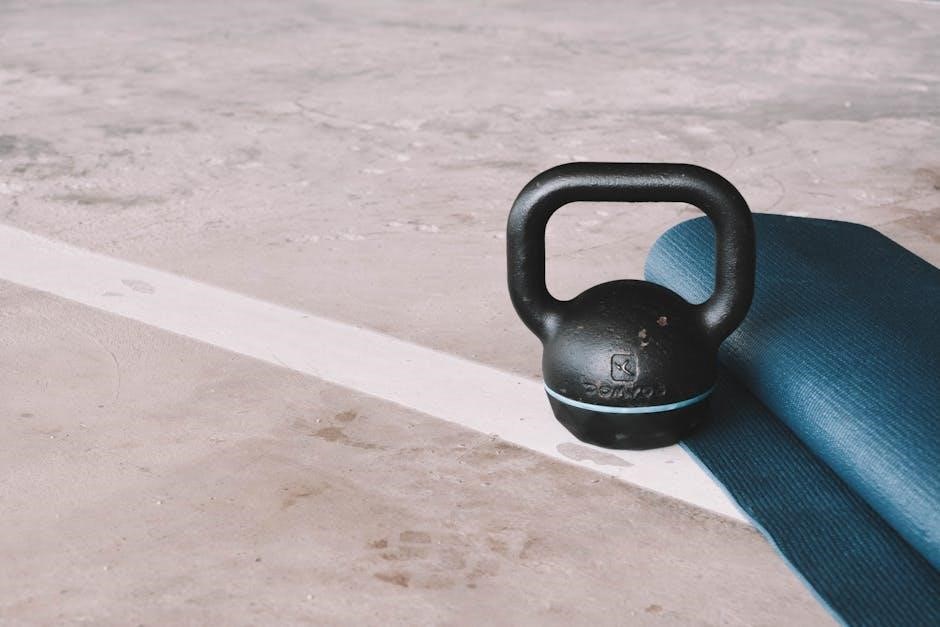
Fortunately, starting Pilates doesn’t require a significant financial outlay. A quality exercise mat is the primary investment, readily available and affordable. Many beginner PDF resources emphasize bodyweight exercises, minimizing equipment needs.
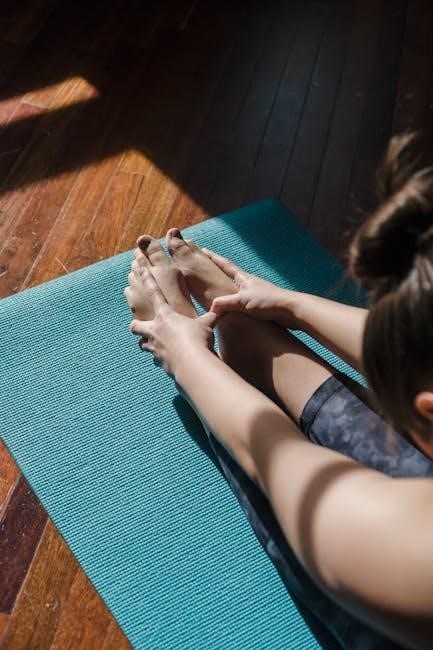
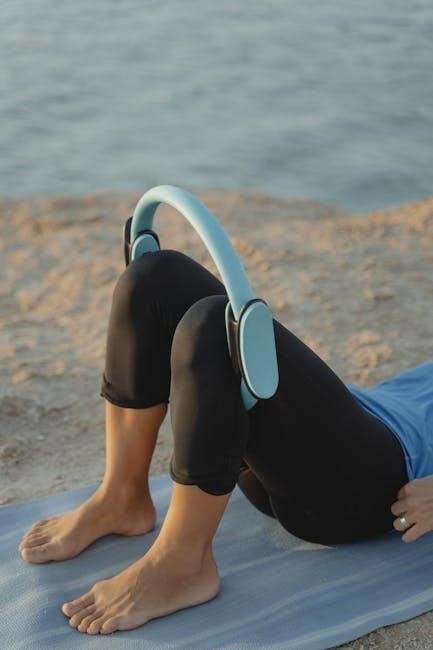
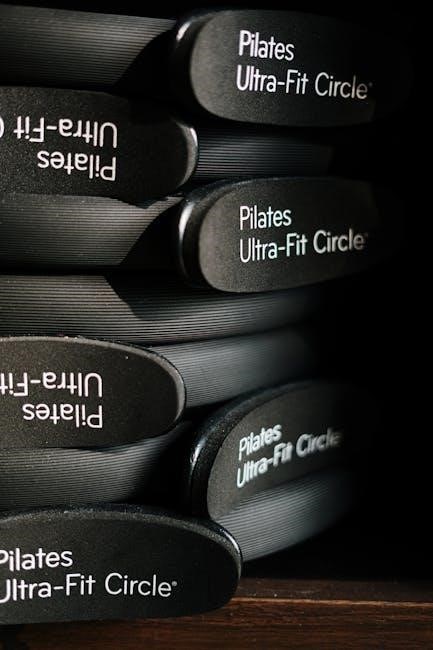
Resistance bands can add challenge as you progress, and small Pilates balls offer support and enhance certain movements. However, these are optional. Numerous free PDF workouts demonstrate effective routines using just a mat, making Pilates accessible to everyone.
Understanding the Core Principles of Pilates
Pilates prioritizes quality over quantity, focusing on precise movements and mindful engagement. Core principles include controlled breathing, centering – engaging the ‘powerhouse’ muscles – and maintaining precise form. Beginner PDF guides often emphasize these foundational elements.
Understanding these principles is crucial for maximizing benefits and preventing injury. Pilates isn’t about speed; it’s about deliberate, focused execution. Many introductory PDFs detail proper breathing techniques and core activation for optimal results.
Breathing Techniques in Pilates
Pilates breathing is lateral thoracic, deeply expanding the ribcage while stabilizing the core. Beginner PDF resources consistently highlight this technique, emphasizing inhalation through the nose and exhalation through the mouth. This coordinated breathing supports core engagement and enhances movement control.
Proper breathing isn’t merely supplemental; it’s integral to each exercise. PDFs often include visual cues and step-by-step instructions to help beginners master this essential component, improving both performance and mindful awareness.
Centering and Core Engagement
“Centering” in Pilates refers to initiating movement from a strong core – the “powerhouse.” Beginner Pilates PDFs emphasize activating these deep abdominal muscles, pelvic floor, and lower back stabilizers. This creates a solid foundation for all exercises, protecting the spine and maximizing effectiveness.
PDF guides often demonstrate how to visualize drawing the navel towards the spine, maintaining this engagement throughout each movement. Mastering centering is crucial for safe and beneficial Pilates practice.
Precision and Control of Movement
Pilates prioritizes quality over quantity; beginner PDFs highlight the importance of precise, controlled movements. Unlike rapid repetitions, each exercise focuses on deliberate execution, engaging the correct muscles and maintaining proper form. This mindful approach builds strength and prevents injuries.
PDF resources often include detailed cues and modifications to ensure beginners achieve accurate alignment. Mastering control enhances body awareness and maximizes the benefits of each Pilates exercise.
Top 10 Beginner Pilates Exercises (with PDF Resource Links)
Beginner Pilates PDFs commonly feature exercises like The Hundred, Roll Up, and Single Leg Circles to build foundational strength. Other staples include Rolling Like a Ball, Spine Stretch Forward, and Swan Dive, progressively challenging core stability.
Leg Pull Front, Side Kick Series, a modified Teaser, and Saw complete the top ten, often accompanied by visual guides and downloadable PDF workout plans. These resources provide structured routines for effective practice.
The Hundred
Pilates PDFs frequently detail “The Hundred” as a core-strengthening staple. It involves lying supine, curling the head and shoulders up, and pumping the arms while inhaling for five counts and exhaling for five, repeated ten times—hence the name.
Beginner modifications often suggest bent knees or reduced head lift. PDF guides emphasize maintaining core engagement and precise movements throughout the exercise, building endurance and control. Proper form is crucial to avoid strain.
Roll Up
Pilates PDFs commonly feature the “Roll Up” as a foundational exercise for spinal articulation and core strength. Starting supine with arms overhead, the exercise involves slowly rolling up one vertebra at a time, reaching towards the toes, and then slowly rolling back down.
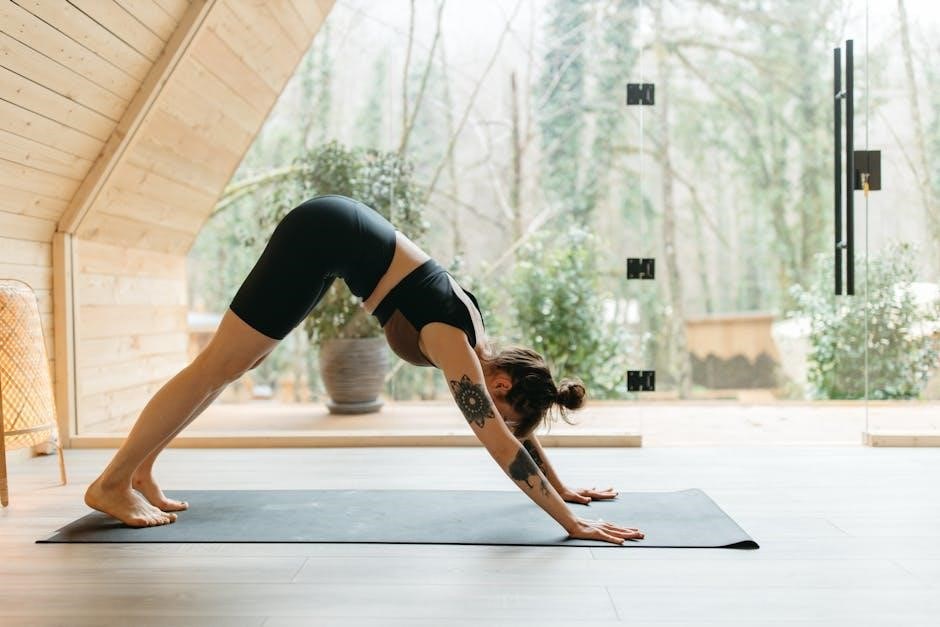
Beginner PDFs often suggest modifications like bent knees or using arms to assist the movement. Maintaining a strong core and controlled motion is key, avoiding jerky movements. It builds abdominal strength and improves spinal mobility.
Single Leg Circles
Pilates beginner PDFs frequently include “Single Leg Circles” to enhance hip mobility and core stability. Lying supine, one leg extends towards the ceiling, and small circles are drawn with the leg, maintaining a stable pelvis and engaged core.
PDF guides emphasize keeping the hips square and avoiding excessive rocking. Modifications often suggest smaller circle sizes or a bent supporting leg. This exercise strengthens deep core muscles and improves coordination, preparing for more complex movements.
Rolling Like a Ball
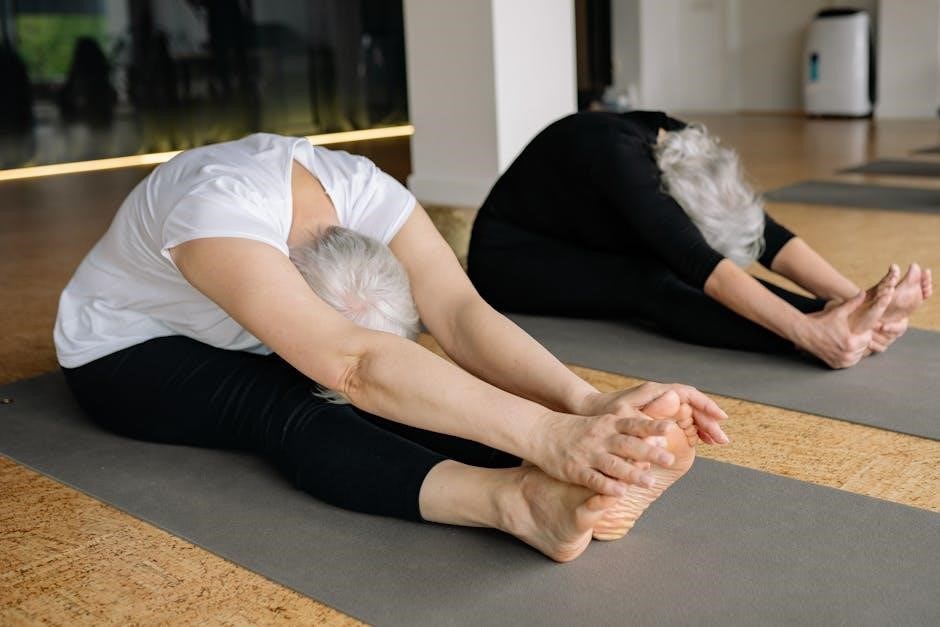
“Rolling Like a Ball” is a playful Pilates exercise often featured in beginner PDF guides, focusing on spinal massage and core engagement. Starting in a seated position, knees are drawn into the chest, and the body balances on the sit bones.
PDFs instruct rolling back onto the shoulders, then back to the starting position, maintaining a C-curve in the spine. Beginners are advised to keep the head and neck relaxed and avoid rolling onto the neck. It builds core strength and improves balance.
Spine Stretch Forward
“Spine Stretch Forward,” commonly detailed in beginner Pilates PDFs, enhances spinal mobility and hamstring flexibility. Starting seated with legs extended forward, arms reach forward at shoulder height.
PDF guides emphasize inhaling to prepare, then exhaling as the spine curves forward, reaching towards the toes. Maintaining a C-curve in the spine is crucial, avoiding rounding the back excessively. This exercise strengthens core muscles and improves posture, often with modifications for beginners.
Swan Dive
“Swan Dive,” frequently illustrated in beginner Pilates PDFs, strengthens the back extensors and improves spinal flexibility. Lying prone with hands under shoulders, the exercise involves lifting the chest off the mat using back muscles, not pushing with the hands.
PDF resources stress maintaining core engagement and a long spine. Beginners often modify by limiting the range of motion. Proper form prevents lower back strain, focusing on controlled movement and strengthening the posterior chain.
Leg Pull Front
“Leg Pull Front,” detailed in many beginner Pilates PDFs, builds core strength and shoulder stability. Starting in a seated position with legs extended, hands are placed slightly behind the hips, and the torso is lifted, maintaining a straight back.
PDF guides emphasize engaging the abdominal muscles to lift and hold the position. Modifications include bending the knees or keeping the feet on the floor. This exercise enhances coordination and strengthens the deep core muscles, promoting better posture.
Side Kick Series
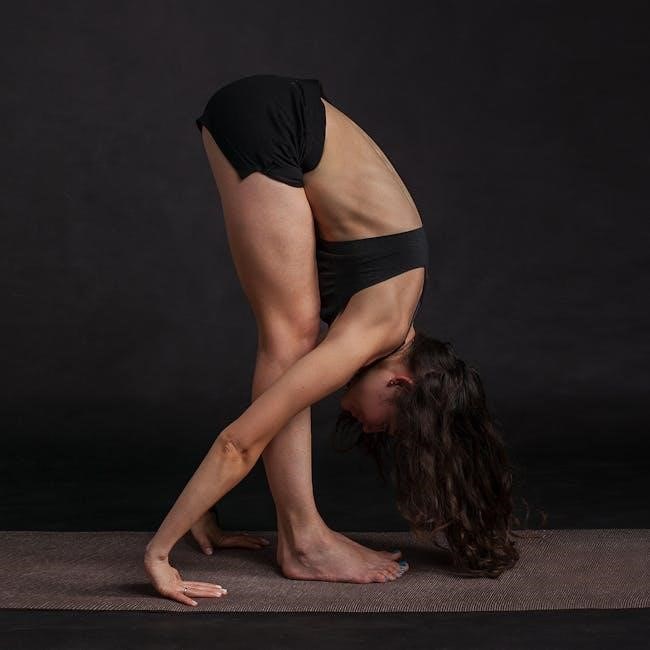
Pilates PDFs often feature the “Side Kick Series” to target obliques and hip abductors. Lying on your side with legs extended, the top leg kicks forward and back, maintaining core engagement and a stable pelvis. Variations include small pulses and circles.
Beginner guides suggest modifications like bending the bottom leg for support. Proper form, as illustrated in PDF resources, prevents lower back strain. This series improves lateral stability and strengthens the muscles responsible for rotational control.
Teaser (Modified for Beginners)
Pilates PDFs frequently present a modified “Teaser” for beginners, acknowledging its challenge. Starting supine with knees bent, engage the core and slowly roll up, reaching arms forward. Beginner versions maintain bent knees and a supported back initially.
PDF guides emphasize controlled movement and core stabilization. Avoid pulling on the neck; focus on abdominal engagement. This exercise builds core strength and spinal articulation, preparing for the full Teaser as proficiency increases. Proper form is crucial, as detailed in instructional PDFs.
Saw
Pilates PDFs illustrate the “Saw” exercise, enhancing spinal mobility and oblique strength. Seated with legs extended, reach towards one foot while rotating the torso, mimicking a sawing motion. Maintaining a straight spine is key, as highlighted in beginner guides.
PDF resources emphasize controlled twisting and breath synchronization. Modifications include bending the knees or reducing the range of motion. This exercise improves coordination and flexibility, preparing the body for more complex Pilates movements. Focus on lengthening the spine with each repetition.
Finding Reliable Pilates PDF Resources & Online Classes
Numerous Pilates PDFs offer beginner-friendly routines, often free to download. Websites like Club Pilates and those offering introductory courses provide structured workouts. Look for resources demonstrating proper form and modifications, crucial for safety.
Online platforms host classes ranging from basic mat Pilates to more advanced sessions. Prioritize instructors with certifications and positive reviews. PDF guides supplement online learning, offering visual aids and detailed instructions. Ensure resources emphasize core engagement and controlled movements.
Modifications for Common Beginner Challenges
Beginners often face limitations in flexibility or experience back pain; modifications are key. PDF resources should illustrate regressions for exercises like the Roll Up or Teaser, reducing range of motion. For back pain, prioritize core engagement and avoid excessive spinal flexion.
Pregnant individuals require specific adjustments, often avoiding supine positions after the first trimester. Online classes frequently offer prenatal Pilates options. Always consult a healthcare professional before starting any new exercise program, especially with pre-existing conditions.
Limited Flexibility
PDF guides for beginner Pilates should emphasize modifications for those with limited flexibility. Focus on smaller ranges of motion, utilizing props like resistance bands or towels to assist with reaching. Exercises like Spine Stretch Forward can be adapted by bending the knees generously.
Prioritize controlled movements over achieving a “perfect” form. Gradually increase the stretch as flexibility improves. Beginner-friendly PDFs often demonstrate these regressions visually, ensuring safe and effective practice, building a foundation for progress.
Back Pain Considerations
Pilates PDFs for beginners must address back pain with caution. Avoid exercises that heavily flex or twist the spine initially, such as Roll Up or Saw. Focus on core stabilization exercises like The Hundred with modifications – keeping the head down.
Prioritize neutral spine alignment and controlled movements. Beginner resources should clearly state when to consult a healthcare professional. Modifications, like performing exercises with knees bent, are crucial for safe practice and pain management.
Pregnancy Modifications
Pilates PDFs designed for beginners should include pregnancy-specific modifications. Avoid lying flat on the back after the first trimester, opting for side-lying or inclined positions. Deep abdominal hollowing should be replaced with transverse abdominis engagement.
Exercises like Swan Dive and Rolling Like a Ball are generally not recommended. Focus on gentle core work and pelvic floor exercises. PDFs must emphasize listening to the body and consulting with a healthcare provider before starting any new exercise program.
Pilates Studios and Class Options (Club Pilates, HOTWORX, Pure Barre)
Many studios, like Club Pilates, offer beginner-friendly classes and introductory packages. HOTWORX incorporates Pilates into infrared fitness experiences, while Pure Barre blends Pilates with ballet.
PDF resources often complement studio classes, providing at-home practice. Consider studio trials to find a suitable style and instructor. Look for beginner-specific PDFs offered by these studios, or independent resources detailing modifications for studio exercises. These options provide structured learning and personalized guidance.
Creating a Beginner Pilates Routine (Sample PDF Workout Plan)
A beginner PDF workout plan should prioritize foundational exercises like The Hundred, Roll Up (modified), and Single Leg Circles. Start with 10-15 repetitions of each, focusing on form over quantity.
Include Spine Stretch Forward and Rolling Like a Ball, progressing slowly. Search online for “beginner Pilates PDF” to find pre-designed routines. Remember to warm up and cool down, and listen to your body. Consistency is key – aim for 2-3 sessions weekly.
Safety Precautions and Common Mistakes to Avoid
When starting Pilates, prioritize proper form to prevent injuries. Avoid arching or rounding your back excessively, and engage your core throughout each exercise.
Beginners often rush movements; focus on controlled precision. Consult a healthcare professional before starting if you have pre-existing conditions. Downloadable PDF guides should emphasize safe technique. Listen to your body and stop if you feel pain – modifications are always available!
Progressing Your Pilates Practice: Moving Beyond Beginner Level
As you gain strength and control, challenge yourself with more complex Pilates exercises. Explore variations of foundational movements, increasing repetitions or adding resistance bands.
Transitioning to Reformer Pilates offers a dynamic progression, building upon mat work principles. PDF resources can guide you through intermediate exercises. Focus on maintaining precision and core engagement as you advance, continually refining your technique for optimal results and injury prevention.
Resources for Further Learning (PDF Guides & Websites)
Numerous online platforms offer downloadable Pilates guides and comprehensive workout plans in PDF format. Websites like Club Pilates and Pilates Anytime provide structured programs for all levels, including beginner-friendly routines.
Explore resources detailing the original 34 Pilates exercises for a deeper understanding. Utilize these PDFs to supplement studio classes or create a personalized home practice, ensuring proper form and technique for safe and effective results.