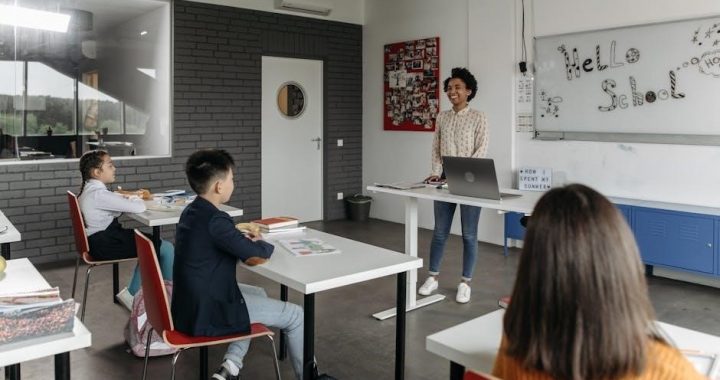
This manual provides educators with strategies to foster supportive learning environments, minimize disruptions, and positively impact student achievement through effective classroom management.
The Importance of Effective Classroom Management
Effective classroom management is paramount to a thriving educational experience. It directly fosters a supportive learning environment where students feel safe, engaged, and motivated – crucial elements for academic success. Minimizing disruptions allows teachers to maximize instructional time, leading to improved student outcomes.
Research, like that from Robert Marzano, emphasizes a teacher’s need to be an effective manager. A well-managed classroom isn’t simply about control; it’s about creating a space where learning flourishes. Addressing diverse needs and challenges within the classroom landscape is vital for positive student development and overall classroom harmony.
The Teacher’s Impact on Student Achievement
Teachers wield significant influence over student success, extending far beyond curriculum delivery. Effective classroom managers, as highlighted by Marzano’s research, demonstrably improve academic outcomes. A teacher’s ability to establish a positive learning environment, minimize disruptions, and engage students directly correlates with higher achievement levels.
By proactively addressing behavioral challenges and fostering a sense of safety and belonging, teachers unlock students’ potential. This impact isn’t merely anecdotal; it’s supported by research examining the complexities of K-12 classroom management and the vital role educators play in shaping young minds.
Understanding Student Behavior
Exploring the root causes of disruptive behavior, individual student needs, and diverse learning styles is crucial for effective classroom management and student success.
Identifying the Root Causes of Disruptive Behavior
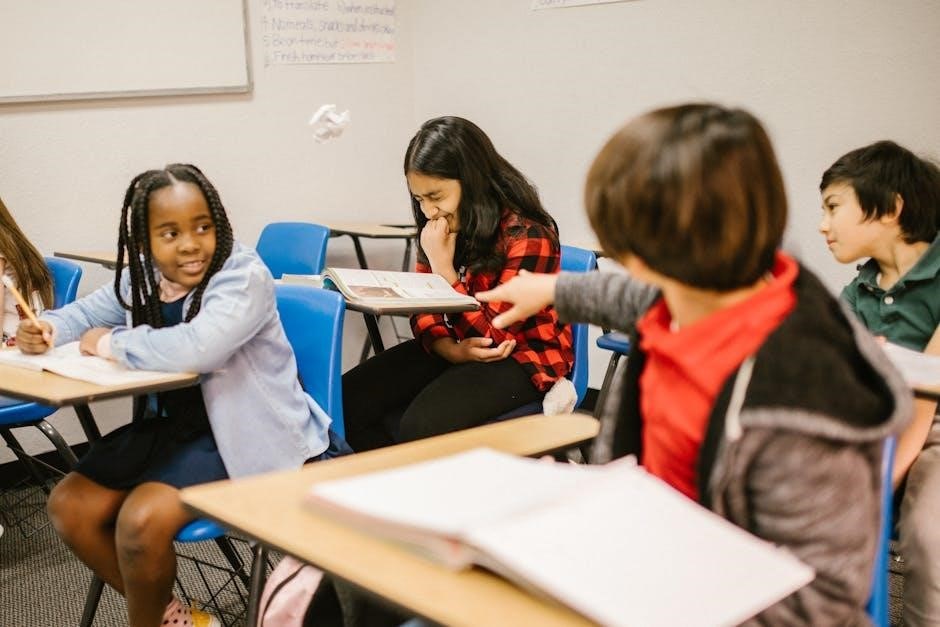
Understanding why a student misbehaves is paramount, moving beyond simply addressing the behavior itself. Disruptions often signal unmet needs – academic frustration, a desire for attention, or difficulties with social-emotional regulation.
Educators should consider factors like home life, peer influences, and potential learning disabilities. A student’s behavior isn’t isolated; it’s communication. Investigating these underlying causes allows for targeted interventions.
Ignoring the ‘why’ leads to a cycle of reactive discipline, while proactively addressing root causes fosters a more supportive and effective learning environment. Careful observation and open communication are key to uncovering these reasons.
The Role of Individual Student Needs
Recognizing that each student is unique is fundamental to effective classroom management. Individual needs – whether academic, emotional, social, or physical – significantly influence behavior. A ‘one-size-fits-all’ approach rarely succeeds.
Students with attention deficits, learning disabilities, or challenging home lives require tailored support. Differentiation in instruction, flexible seating, and individualized behavior plans can address these specific needs.
Understanding a student’s background and learning style allows educators to proactively minimize potential disruptions and create a more inclusive and supportive classroom environment for all learners.
Understanding Different Learning Styles and Their Impact
Acknowledging diverse learning styles – visual, auditory, kinesthetic, and reading/writing – is crucial for effective classroom management. When instruction doesn’t align with a student’s preferred style, frustration and disruptive behavior can emerge.
Visual learners benefit from diagrams and presentations, while auditory learners thrive in discussions. Kinesthetic learners need hands-on activities, and those who prefer reading/writing excel with written assignments.
Adapting teaching methods to incorporate various styles increases engagement and minimizes off-task behavior, fostering a more positive and productive learning atmosphere for every student.
Proactive Classroom Management Strategies
Implementing preventative measures, establishing clear expectations, and creating a positive environment are key to minimizing disruptions and maximizing learning potential.
Establishing Clear Expectations and Rules
Clearly defined expectations and rules are foundational for effective classroom management. Students thrive in structured environments where boundaries are understood and consistently enforced. These guidelines should be collaboratively created with student input whenever possible, fostering a sense of ownership and responsibility.
Rules should be stated positively, focusing on desired behaviors rather than prohibitions. For example, instead of “No talking out of turn,” frame it as “Raise your hand to speak.” Regularly review these expectations, especially at the beginning of the year and after breaks. Consistency in applying these rules is paramount; fairness builds trust and minimizes challenges. A well-defined system promotes a focused and respectful learning atmosphere.
Creating a Positive and Supportive Learning Environment
A positive classroom climate is crucial for student engagement and minimizes disruptive behaviors. This involves fostering a sense of belonging, respect, and safety where students feel comfortable taking risks and participating actively. Encourage collaboration and celebrate successes, both academic and social-emotional.
Show genuine care and interest in students’ well-being, acknowledging their individual strengths and needs. Positive teacher-student relationships are key to building trust and rapport. A supportive environment proactively addresses potential issues before they escalate, promoting a culture of kindness and mutual respect. This atmosphere directly contributes to improved learning outcomes.
Utilizing Positive Reinforcement Techniques
Positive reinforcement is a powerful tool for encouraging desired behaviors and creating a more productive classroom. Focus on acknowledging and rewarding students when they demonstrate appropriate conduct, academic effort, or helpfulness. This can range from verbal praise and positive notes home to small rewards or classroom privileges.
Specifically recognize positive actions rather than solely addressing negative ones. Consistency is key; reinforce desired behaviors frequently and predictably. Tailor rewards to individual student preferences for maximum impact. Positive reinforcement fosters intrinsic motivation, encouraging students to take ownership of their learning and behavior, ultimately minimizing disruptions.
Implementing Preventative Measures to Minimize Disruptions
Proactive strategies are crucial for a well-managed classroom, focusing on preventing disruptions before they occur. This involves carefully planning lessons that are engaging and cater to diverse learning styles, minimizing boredom and frustration. Establish clear routines and procedures for common classroom activities, providing structure and predictability.
Ensure the physical classroom environment is conducive to learning – organized, well-lit, and free from unnecessary distractions. Proximity control, where the teacher moves closer to students who are beginning to disengage, can be effective. Anticipate potential challenges and proactively address them, fostering a positive and supportive learning atmosphere.
Reactive Classroom Management Strategies
Responding effectively to disruptive behavior requires de-escalation techniques and consistent, fair consequences to maintain a productive learning environment for all.
Responding to Disruptive Behavior Effectively
Addressing disruptive behavior requires a thoughtful and measured approach. Initially, employ non-verbal cues like eye contact or proximity to redirect the student. If the behavior persists, a calm, private verbal redirection is crucial, focusing on the specific behavior and expected alternative.
Avoid public reprimands, as they can escalate the situation and damage the student-teacher relationship. Implement pre-established consequences consistently and fairly, ensuring they align with the severity of the disruption. Document all incidents, including the behavior, intervention, and outcome, for tracking patterns and informing future strategies.
Remember, the goal isn’t simply to punish, but to teach appropriate behavior and restore a positive learning environment.
De-escalation Techniques for Challenging Situations
When facing escalating behavior, prioritize safety and remain calm. Lower your voice and maintain a non-threatening posture, creating physical space if needed. Active listening is key – acknowledge the student’s feelings without necessarily agreeing with their actions.
Use empathetic statements like, “I see you’re frustrated,” to validate their emotions; Offer choices whenever possible, providing a sense of control. Redirect the student’s focus by suggesting a break or a different activity.
Avoid power struggles and focus on finding a mutually acceptable solution. Remember, de-escalation aims to reduce tension and restore a calm environment.
Consistent and Fair Consequences
Establishing clear, predictable consequences is crucial for effective classroom management. Consequences should be logical and directly related to the misbehavior, ensuring students understand the connection between their actions and the outcome. Fairness dictates that consequences are applied equitably to all students, avoiding favoritism or bias.
Consistency is paramount; enforce rules and consequences every time, regardless of the student or situation. A tiered system, starting with minor interventions and escalating as needed, can be effective.
Document all disciplinary actions and communicate with parents or guardians regarding significant issues.
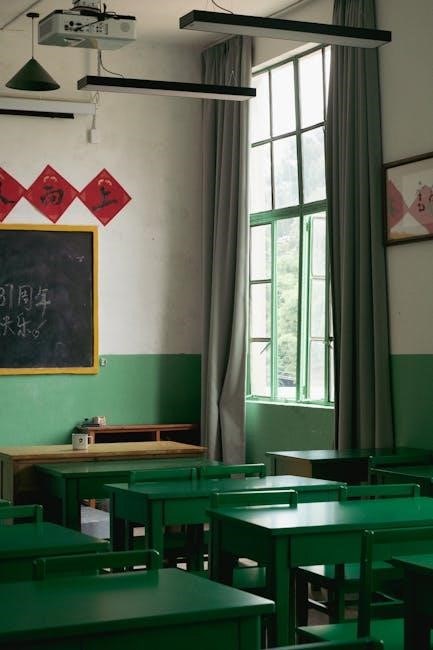
Managing Technology in the Classroom
Digital devices require clear guidelines for responsible use, addressing distractions like cellphones and promoting focused learning through blended instruction strategies.
Addressing Cellphone Distractions
The pervasive presence of cellphones presents a significant challenge to classroom focus and engagement. Dance Teacher Web’s behavior management guide specifically addresses this growing issue, offering practical, evidence-based strategies for educators; Establishing clear expectations regarding cellphone use is paramount; policies should outline when devices are permitted – if at all – and the consequences for violations.
Consider designated “phone zones” or collection points during instruction. Integrate digital devices purposefully into lessons when appropriate, transforming potential distractions into learning tools. Proactive measures, coupled with consistent enforcement, are crucial for minimizing disruptions and maximizing student attention. Remember, the goal isn’t to eliminate technology, but to harness its power responsibly within the learning environment.
Integrating Digital Devices Responsibly
Modern K-12 classrooms increasingly utilize laptops, tablets, and smartphones to support research, collaboration, and blended learning initiatives. However, successful integration requires careful planning and clear guidelines. Rather than viewing devices solely as distractions, educators should leverage their potential to enhance instruction and student engagement.
Establish acceptable use policies that outline appropriate online behavior, digital citizenship, and academic integrity. Design lessons that actively incorporate digital tools, fostering a purposeful learning experience. Model responsible technology use yourself, and teach students how to navigate the digital world safely and ethically. When implemented thoughtfully, digital devices can be powerful assets in the classroom.
Establishing Guidelines for Technology Use
Clear, concise guidelines are crucial for managing technology effectively in the classroom. These should address acceptable websites, app usage, and digital communication protocols. Specifically outline consequences for misuse, such as off-task browsing or cyberbullying. Consider a tiered approach, starting with verbal warnings and escalating to device confiscation or parental contact.
Communicate these expectations explicitly to students and parents, ensuring everyone understands the rules. Regularly review and update the guidelines as technology evolves. Emphasize digital citizenship, responsible online behavior, and respect for intellectual property. A well-defined framework minimizes distractions and promotes a focused learning environment.
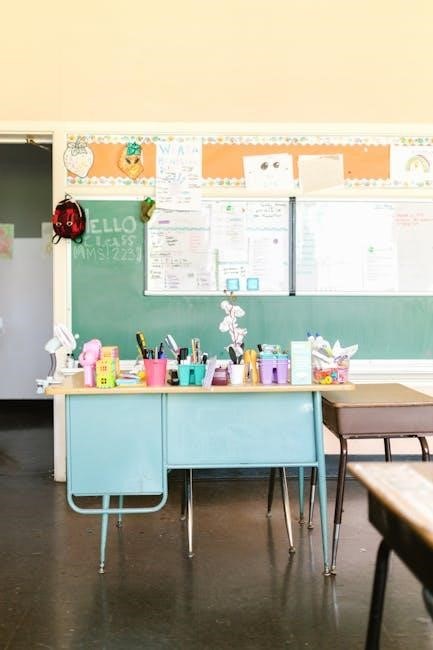
Addressing Specific Behavioral Challenges
This section details strategies for handling defiance, non-compliance, attention deficits, and aggressive behaviors, promoting a safe and productive learning atmosphere.
Dealing with Defiance and Non-Compliance
Addressing defiance and non-compliance requires a calm, consistent, and understanding approach. Initially, ensure clear expectations and rules are established and communicated effectively to all students. When a student exhibits defiant behavior, avoid engaging in power struggles; instead, acknowledge their feelings while firmly restating the expectation.
Employ logical consequences that are directly related to the misbehavior, and consistently apply them. Offer choices whenever possible to give students a sense of control. Proactive strategies, such as building positive relationships and providing opportunities for success, can significantly reduce instances of defiance. Document patterns of behavior and collaborate with parents and school counselors for tailored support plans.
Supporting Students with Attention Deficit Disorders
Students with Attention Deficit Disorders (ADD/ADHD) often require specific classroom accommodations to thrive. Minimize distractions by providing a quiet workspace and breaking down tasks into smaller, manageable steps. Offer frequent breaks to allow for movement and refocusing. Utilize visual aids and checklists to support organization and task completion.
Positive reinforcement and clear, concise instructions are crucial. Collaborate with parents and special education staff to implement individualized education programs (IEPs) effectively. Patience and understanding are key, recognizing that inattentive or impulsive behaviors are not intentional defiance, but rather symptoms of the disorder.
Managing Aggressive Behavior
Aggressive behavior in the classroom demands a calm, measured response prioritizing safety. Immediately address the situation, separating the student from others and ensuring a secure environment. Avoid escalating the conflict through raised voices or confrontational postures. Focus on de-escalation techniques, such as active listening and acknowledging the student’s feelings.
Establish clear consequences for aggressive acts, consistently applied and communicated. Collaborate with school counselors and administrators to understand the underlying causes of the behavior and develop a behavior intervention plan. Document all incidents thoroughly, and prioritize restorative practices when appropriate, focusing on repairing harm and rebuilding relationships.
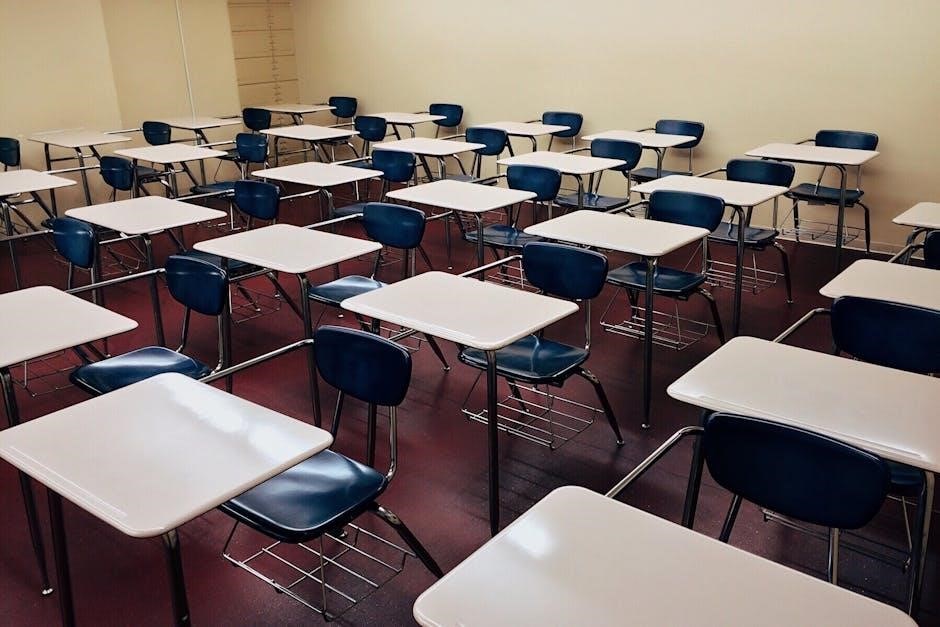
Creating a Visual Management System
Utilize classroom displays and visual cues to reinforce expectations, track behavior, and provide reminders, fostering a structured and predictable learning environment.
Classroom Display Prototypes for Behavior Management
Researchers have been actively exploring innovative visual systems to aid teachers in implementing effective behavior strategies. These prototypes often involve clearly defined charts or boards that visually represent expected behaviors and consequences.
A common approach includes a tiered system, showcasing positive behaviors leading to rewards, and conversely, outlining disruptive actions with corresponding consequences. Color-coding is frequently employed to quickly signal behavior status – green for good, yellow for warning, and red for requiring intervention.
These displays aren’t merely decorative; they serve as constant, non-verbal reminders for students, promoting self-regulation and accountability. The goal is to create a transparent system where expectations are visible and understood by all, ultimately contributing to a more focused and productive learning atmosphere.
Utilizing Visual Cues and Reminders
Beyond comprehensive display prototypes, integrating smaller, targeted visual cues can significantly enhance classroom management. These cues act as subtle prompts, redirecting student attention and reinforcing expected behaviors without disrupting the flow of instruction.
Examples include hand signals for requesting assistance, quiet signals to regain focus, or posted checklists outlining task expectations. Visual timers can help students understand time constraints and manage their work effectively.
The key is consistency and clarity. Students need to understand the meaning of each cue. These reminders minimize verbal corrections, fostering a more positive and less reactive classroom environment, ultimately promoting student independence and self-regulation.
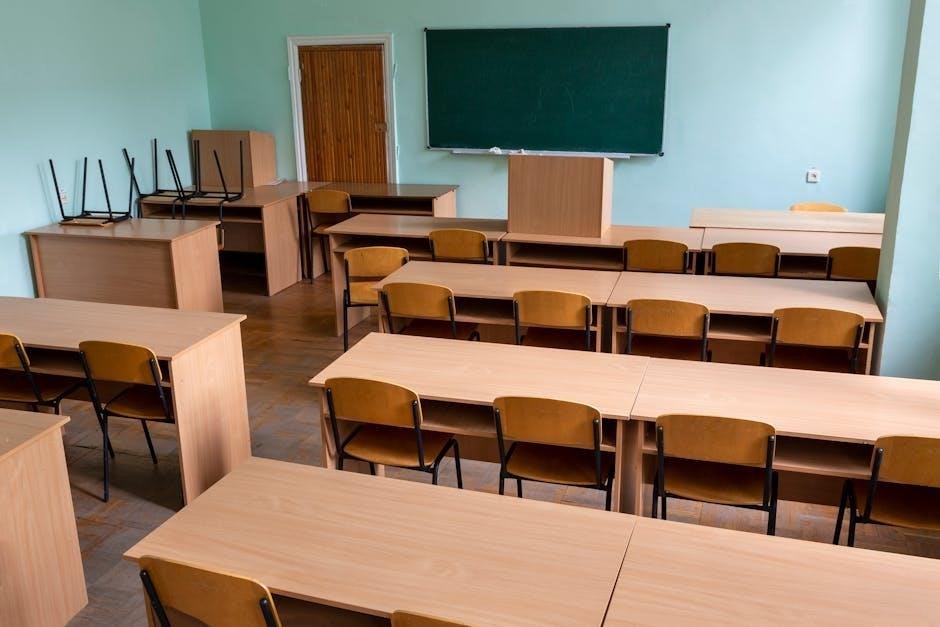
Collaboration and Communication
Effective behavior management thrives on strong partnerships with parents, guardians, counselors, administrators, and colleagues, ensuring consistent support for students.
Working with Parents and Guardians
Establishing open and consistent communication with parents and guardians is paramount for successful classroom management. Regular updates, whether through emails, phone calls, or conferences, keep families informed about their child’s behavior and progress;
Proactively sharing positive observations alongside areas for improvement fosters a collaborative partnership. When challenges arise, approach conversations with empathy and a focus on finding solutions together.
Clearly explain classroom expectations and consequences, ensuring alignment between school and home. Encourage parental involvement in supporting behavioral goals and strategies. Remember, a united front significantly enhances a student’s likelihood of positive behavioral change and academic success.
Collaborating with School Counselors and Administrators
Effective classroom management often requires a team approach. School counselors offer valuable expertise in understanding student behavior and developing individualized support plans. Don’t hesitate to seek their guidance when addressing complex behavioral challenges or identifying underlying issues.
Administrators play a crucial role in providing resources and ensuring consistent school-wide policies. Keep them informed of persistent behavioral concerns and collaborate on strategies for intervention.
Regular communication with both counselors and administrators fosters a supportive network, allowing for a coordinated and comprehensive response to student needs, ultimately creating a safer and more productive learning environment.
Seeking Support from Colleagues
Classroom management can be challenging, and you are not alone! Building a strong professional learning community within your school is invaluable. Share experiences, strategies, and challenges with colleagues to gain fresh perspectives and practical advice.
Observe experienced teachers and learn from their successful techniques. Collaborative problem-solving can lead to innovative solutions tailored to your specific classroom context.
Mentorship opportunities, peer observations, and informal discussions can provide ongoing support and encouragement, fostering a sense of shared responsibility for student success and well-being.
Legal and Ethical Considerations
Adherence to school policies, student privacy, and confidentiality are paramount when implementing behavior management strategies, ensuring fair and responsible practices.
Understanding School Policies and Procedures
Navigating the complexities of school-wide behavior expectations is crucial for consistent and legally sound classroom management. Teachers must thoroughly familiarize themselves with the student handbook, disciplinary guidelines, and any specific policies related to student conduct and safety.
These documents often outline procedures for addressing disruptive behavior, reporting incidents, and involving parents or administrators. Understanding these protocols ensures that interventions are aligned with school-wide initiatives and protect both the teacher and the student.
Furthermore, awareness of legal considerations, such as student rights and due process, is essential. Ignoring established policies can lead to legal challenges and compromise the effectiveness of classroom management efforts. Proactive knowledge empowers educators to respond appropriately and ethically.
Maintaining Student Privacy and Confidentiality
Upholding student privacy is a paramount ethical and legal responsibility for all educators; Discussions about a student’s behavior, especially those involving sensitive information or disciplinary actions, must remain confidential. Sharing details with unauthorized individuals – including other students or even colleagues without a need to know – is a breach of trust and potentially illegal.
Documentation of behavioral incidents should be handled securely and accessed only by those directly involved in supporting the student. Teachers must adhere to school policies regarding data protection and comply with relevant privacy laws.
Respecting a student’s dignity and maintaining confidentiality fosters a safe and supportive learning environment.

Resources and Further Learning
Explore recommended books, articles, and online resources to deepen your understanding of classroom management and enhance your teaching practices continually.
Recommended Books and Articles
For a foundational understanding, Robert Marzano’s Classroom Management That Works offers research-backed strategies for effective management. Educators seeking practical guidance will benefit from resources provided by Dance Teacher Web, specifically their behavior management guide addressing cellphone distractions.
Further exploration into understanding student behavior can be found in articles examining the challenges teachers face when implementing behavior strategies, as researched by institutions like the University of Michigan. Staying current with evolving digital learning landscapes is crucial; explore resources detailing responsible integration of technology in K-12 classrooms.
These resources provide a starting point for continuous professional development and refinement of classroom management techniques, ultimately fostering a positive and productive learning environment for all students.
Online Resources for Classroom Management
Numerous online platforms offer valuable support for educators navigating classroom management. Websites dedicated to K-12 education frequently host articles and webinars on fostering positive learning environments and addressing disruptive behaviors. Dance Teacher Web provides specific resources tackling cellphone distractions, a growing concern in modern classrooms.
University research institutions, like the University of Michigan, often publish findings on effective behavior management strategies accessible online. Podcasts, such as those hosted by Ericka Cruz Guevarra, offer contextual analysis of educational challenges.
Exploring these digital resources allows teachers to stay informed, share best practices, and continuously improve their classroom management skills.