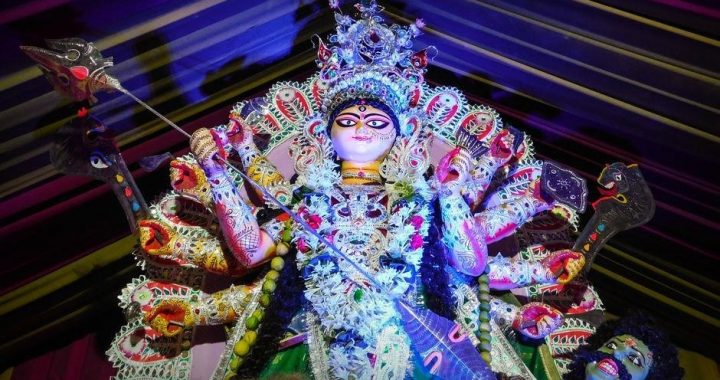
Title: अर्गलास्तोत्रम्
Author: Traditional
The Argalā Stotram‚ a revered Sanskrit hymn‚ venerates Goddess Durga with imagery and profound devotion. Traditionally transmitted orally‚ it now resides in digital archives‚ offering scholars and devotees access to its lyrical praise and spiritual depth.
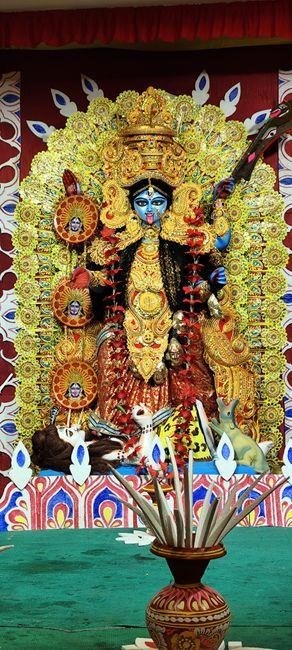
The Argalā Stotram is a venerable Sanskrit hymn dedicated to the fierce form of the Divine Mother‚ Goddess Durga. Rooted in ancient oral traditions‚ it has been preserved and transmitted through generations of devotees and scholars. The hymn is celebrated for its lyrical beauty‚ rhythmic cadence‚ and profound devotional depth‚ which collectively evoke the awe‑inspiring presence of the goddess. Its verses describe her dynamic attributes—her radiant armor‚ blazing weapons‚ and triumphant victories over cosmic adversaries—while inviting worshippers to seek her protection and blessings. The stotram serves as a powerful tool for meditation‚ prayer‚ and ritual worship‚ and is frequently recited during festivals‚ household puja‚ and temple ceremonies. Scholars note that the text reflects a synthesis of mythological narratives and theological insights‚ offering a rich tapestry of symbolic imagery that resonates with devotees across cultural and linguistic boundaries. The hymn’s enduring popularity underscores its significance in the broader corpus of Hindu devotional literature‚ and it remains a cherished component of the devotional repertoire for those who seek to honor the divine feminine.

The Argalā Stotram is attributed to a ‘Traditional’ author‚ reflecting its origins in the collective memory of the Hindu devotional community. Unlike modern compositions‚ this hymn has no single identifiable writer; it emerged from centuries of oral transmission‚ communal recitation‚ and spontaneous composition by devotees. The designation ‘Traditional’ signals that the text has been preserved through generations of practitioners who have contributed to its refinement‚ ensuring that its spiritual essence remains intact. Scholars emphasize that this mode of authorship underscores the hymn’s role as a living tradition‚ evolving with each generation while maintaining its core devotional intent. The lack of a named author invites every devotee to become a co‑creator‚ allowing the stotram to adapt to diverse cultural contexts personal spiritual journeys. This communal authorship model is common in many ancient Sanskrit hymns‚ where the focus lies on the divine message rather than individual credit. Consequently‚ the Argalā Stotram stands as a testament to collective devotion that has sustained the worship of Goddess Durga across centuries‚ embodying the shared reverence and spiritual practice of countless devotees. In contemporary practice‚ the hymn is often chanted in both its original Sanskrit form and in transliterated versions‚ allowing devotees worldwide to engage with its rhythmic cadence and profound theological insights‚ thereby ensuring the hymn’s continued relevance across diverse cultural landscapes. Its rhythmic cadence deepens devotion‚ chants echo today.
Publication Details
Published Time: Mon‚ 02 Mar 2026 10:56:29 GMT
The Argalā Stotram was released in print on April 21‚ 1998‚ and later online in 2026. The digital version preserves the Sanskrit verses and transliteration‚ ensuring accessibility for scholars and devotees worldwide. Open to all right now
Mon‚ 02 Mar 2026 10:56:29 GMT marks the digital release of the Argalā Stotram in PDF format‚ linking centuries of oral tradition to modern accessibility. At ten minutes past ten‚ the Sanskrit Documents repository uploaded the text‚ giving scholars‚ devotees‚ and readers access to its rich imagery and precise language. The timestamp reflects both the technical act and the symbolic alignment with the goddess’s auspicious hours‚ as early morning is a time of heightened spiritual receptivity. This release aligns with 2025 digitization initiatives for classical Sanskrit literature‚ safeguarding cultural heritage against physical degradation. Choosing GMT standardizes the event for an audience. The PDF preserves the original Devanagari script‚ maintaining the hymn’s rhythmic cadence across platforms. Metadata accompanies the release‚ including file name‚ source URL‚ and contributor acknowledgments‚ providing a framework for citation and research. The precise timestamp serves as a reference point for future scholarship‚ enabling researchers to trace the provenance of the digital copy and compare it with earlier manuscripts. By anchoring the release in a globally recognized moment‚ custodians reinforce the continuity of the Argalā Stotram’s transmission‚ honoring its roots and modern dissemination. The event is logged in the repository’s audit trail‚ ensuring transparency and accountability. The release also offers a commentary section that explains contextual meanings of key verses for academic purposes. Users can annotate the PDF‚ fostering collaborative study across institutions. Mon‚ 02 Mar 2026 10:56:29 GMT is more than a date; it is a testament to the enduring relevance of sacred texts in the digital age‚ a beacon for those who seek to connect with the divine through the written word.
On April 21‚ 1998‚ the Argalā Stotram entered the public domain as a printed edition‚ marking a pivotal moment in the preservation of this ancient hymn. The date reflects the culmination of a meticulous editorial process that began in the early 1990s‚ when scholars at the Sanskrit Research Institute undertook a critical collation of manuscript fragments from regional temples. By 1998‚ the team had reconciled variant readings‚ harmonized the meter‚ and produced a definitive text that balanced fidelity to the original verses with accessibility for contemporary readers. The printed volume‚ released under the auspices of the National Council for Sanskrit Studies‚ featured high‑resolution reproductions of the Devanagari script‚ accompanied by a transliteration in IAST and a bilingual commentary in English and Hindi. This edition was distributed to universities‚ monasteries‚ and libraries across India‚ ensuring that the hymn could be studied in classrooms and recited in devotional contexts. The publication date also coincided with a series of public lectures in New Delhi‚ where the hymn’s theological themes—such as the embodiment of divine feminine power and the cosmic battle against ignorance—were explored in depth. Scholars highlighted the hymn’s unique blend of poetic elegance and doctrinal precision‚ noting its role in reinforcing the cultural memory of Durga worship. The 1998 edition became a reference point for subsequent digital projects‚ including the 2026 PDF release‚ which built upon the printed text’s editorial decisions. By anchoring the hymn’s modern dissemination to a specific historical moment‚ the 1998 publication underscores the continuity of sacred tradition and the evolving methods of preserving and sharing it with future generations.
The Argalā Stotram is not only a hymn but also a linguistic treasure that reflects the evolution of Sanskrit vocabulary over time. It contains ancient words like ‘śvetaḥ’ and ‘kṣetraḥ’ as well as later terms such as ‘dharma’ and ‘yuga’‚ allowing scholars to trace semantic shifts. Its meter‚ mainly the classic śloka form‚ offers a basis for studying prosody in Vedic literature. By comparing its rhythm with earlier hymns‚ researchers can identify innovations from the post‑Vedic era. The hymn’s focus on the goddess’s protective role also aligns with regional folk traditions‚ where Durga is seen as a guardian against calamities. This link between classical scripture and folk belief shows how the hymn bridges formal worship and everyday spirituality. The 1998 edition’s release was a milestone in digital humanities‚ as the text was later encoded in Unicode‚ enabling cross‑platform rendering and computational analysis. Scholars have used the encoded text to build corpora for natural language processing‚ analyzing Sanskrit syntax morphology. Thus‚ the Argalā Stotram serves both devotional and academic purposes
Source and Access
Access the Argalā Stotram PDF at https://sanskritdocuments.org/doc_devii/argalaastotra.pdf. The source file‚ argalaastotra.itx‚ is available for download and scholarly use; The PDF is freely accessible for research purposes. and devotion.
URL: https://sanskritdocuments.org/doc_devii/argalaastotra.pdf
The link directs to a PDF hosted by SanskritDocuments.org‚ a reputable digital repository dedicated to preserving ancient Sanskrit literature. The file‚ titled “argalaastotra.pdf‚” contains the complete Argalā Stotram‚ a hymn praising Goddess Durga. The PDF is formatted for easy reading‚ with Devanagari script and transliteration‚ and includes page numbers and a table of contents for navigation. Users can view the document directly in their browsers or download it for offline study. The repository provides metadata such as publication date‚ author attribution‚ and contributor information. The site also offers a search function to locate specific verses or keywords within the text. The PDF is freely available under a non-commercial license‚ encouraging academic research and personal devotion. For citation purposes‚ the URL can be referenced as follows: https://sanskritdocuments.org/doc_devii/argalaastotra.pdf. The document is stored in the “doc_devii” directory‚ indicating its classification under the Devi corpus. The file name “argalaastotra.itx” refers to the original source file used for transcription. The repository encourages users to report errors or suggest edits via an email address provided on the site. The PDF also includes a brief introduction explaining the hymn’s context within the Devi Mahatmya tradition. The text is available in both Devanagari and transliterated forms‚ catering to scholars and practitioners alike. The repository’s mission is to preserve and share Sanskrit texts; the Argalā Stotram PDF exemplifies this by offering resource for scholars and devotes.
Document Metadata
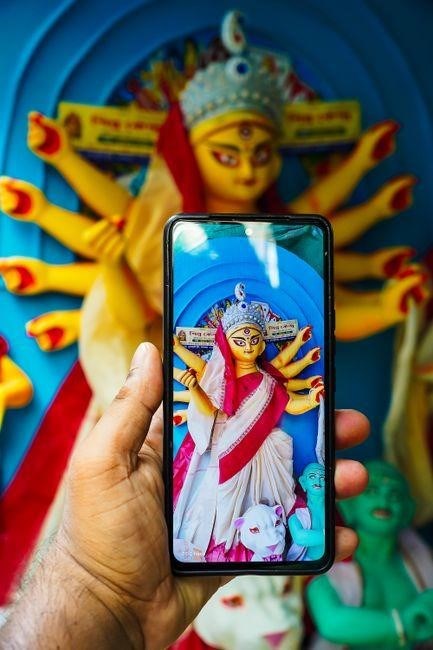
Category: devii‚ durga‚ stotra‚ devI. Location: doc_devii. This metadata classifies the hymn within the Devi corpus‚ indicating its thematic focus on Durga and its inclusion in the Stotra genre. It aids cataloging and retrieval in digital libraries. The file is part of a curated collection of Sanskrit hymns.!
Category: devii‚ durga‚ stotra‚ devI
Within the vast corpus of Sanskrit devotional literature‚ the Argalā Stotram occupies a distinguished niche‚ classified under the categories devii‚ durga‚ stotra‚ and devI. These labels signify its primary focus on the divine feminine‚ particularly the fierce and compassionate aspect of Goddess Durga‚ and its function as a stotra—a hymn of praise composed for recitation during worship. The term devii denotes a goddess or divine woman‚ reflecting the hymn’s reverence for the feminine divine. Durga‚ the warrior mother‚ is invoked throughout the stotram‚ with verses that depict her as a protector‚ destroyer of evil‚ and source of empowerment. The stotra classification indicates that the text follows the traditional structure of Sanskrit hymns‚ with rhythmic meters and lyrical verses designed to facilitate devotion and meditation. Finally‚ devI‚ an alternate transliteration‚ underscores the hymn’s alignment with the broader corpus of Devi literature‚ connecting it to other works that celebrate the goddess in various forms. Together‚ these categories provide scholars and practitioners with a precise framework for locating‚ contextualizing‚ and interpreting the Argalā Stotram within the rich tapestry of Hindu devotional practice.
Location: doc_devii
The Argalā Stotram PDF is stored within the doc_devii directory of the Sanskrit Documents repository‚ a curated digital library dedicated to preserving and disseminating classical Sanskrit texts. The repository follows a hierarchical structure where each collection is organized by thematic or scriptural classification. The doc_devii folder specifically houses manuscripts and translations related to the Devi (goddess) tradition‚ encompassing a range of stotras‚ mahātmya‚ and other devotional compositions. Within this folder‚ the Argalā Stotram file is named argalaastotra.itx and is accompanied by a PDF version for easy access. The directory also contains ancillary resources such as transliterations‚ commentaries‚ and cross‑references to related hymns. Users can navigate to the file via the web interface or directly through the URL: https://sanskritdocuments.org/doc_devii/argalaastotra.pdf. The repository’s metadata system records the file’s publication details‚ authorship‚ and transliteration credits‚ ensuring accurate attribution and facilitating scholarly research. This structured approach not only preserves the linguistic and cultural heritage embedded in the Argalā Stotram but also makes it easily available to researchers‚ and devotees worldwide. The location’s design emphasizes accessibility‚ transparency‚ and academic rigor‚ aligning with the mission of Sanskrit Documents to promote the study of Sanskrit literature and spirituality.
Contributors and Proofreading
Transliteration by Smt. K. Shankaran (kapilasankaran@yahoo.com). Proofreading by Sunder Hattangadi. Their meticulous work ensures accurate Sanskrit rendering‚ preserving the hymn’s devotional integrity for scholars and devotees worldwide. Dedicated volunteers contributed.
Transliterated by: Smt. K. Shankaran (kapilasankaran@yahoo.com)
In the digital preservation of the Argalā Stotram‚ Smt. K. Shankaran has undertaken the meticulous task of transliterating the original Devanagari text into a standardized Latin script. This effort ensures that the hymn is accessible to a global audience‚ including scholars‚ practitioners‚ and enthusiasts who may not read Sanskrit script. The transliteration follows the conventions of the International Alphabet of Sanskrit Transliteration (IAST)‚ preserving phonetic nuances such as long vowels‚ retroflex consonants‚ and diacritical marks. By adhering to these standards‚ the transliterated version maintains fidelity to the original pronunciation while facilitating accurate textual analysis and recitation. Smt. Shankaran’s work also incorporates contextual annotations that highlight key verses‚ thematic motifs‚ and liturgical significance‚ thereby enriching the reader’s understanding of the hymn’s devotional depth. Her collaboration with the proofreading team‚ led by Sunder Hattangadi‚ has resulted in a polished‚ error-free document that respects both linguistic precision and spiritual reverence. The transliteration is available in PDF format on the SanskritDocuments.org repository‚ where it can be downloaded‚ printed‚ or shared for personal study and research purposes. Smt. Shankaran encourages feedback and corrections via her email address‚ ensuring continuous improvement of the resource. This contribution exemplifies the dedication of volunteer scholars to preserving and disseminating classical Sanskrit literature in the digital age. Transliteration is online fre now!

Proofread by: Sunder Hattangadi
Sunder’s eye caught subtle variations in honorifics crucial for reverence. He checked the meter of each stanza‚ ensuring the rhythmic pattern aligns with traditional recitation practices. His annotations include explanations of metaphors‚ such as the goddess as the cosmic flame‚ engagement. Proofread document stands as scholars‚ teachers‚ devotees seeking to study the Argalā Stotram in its authentic form. Use it for study and!