Discover the essential guide that outlines safe lifting practices, detailing the PDF’s purpose to educate workers on ergonomic techniques, risk assessment, and compliance with OSHA standards. This resource serves as a concise reference for training, policy updates, and daily workplace safety.—2026
Purpose and Scope of the PDF Resource
The PDF serves as a comprehensive manual designed to standardize safe lifting practices across diverse work environments. Its primary purpose is to provide clear, evidence‑based guidelines that help employees understand the mechanics of lifting, recognize potential hazards, and implement preventive measures. By integrating ergonomic principles with real‑world scenarios, the document equips readers with actionable steps—from pre‑lift assessment to post‑lift recovery—that reduce the risk of musculoskeletal injuries. The scope extends beyond individual techniques; it encompasses organizational responsibilities such as training protocols, equipment selection, and policy enforcement. The resource aligns with OSHA’s lifting regulations and industry best practices, ensuring compliance while fostering a culture of safety. Additionally, the PDF includes illustrative diagrams, checklists, and case studies that illustrate common pitfalls and corrective actions. Users can tailor the content to specific job roles, whether handling heavy pallets, moving delicate instruments, or performing repetitive tasks. Ultimately, the guide aims to empower workers, supervisors, and safety managers to collaborate on creating safer workspaces, lowering injury rates, and improving overall productivity. By fostering continuous learning and regular refresher sessions, the PDF encourages a proactive approach to safety, enabling teams to adapt to evolving job demands and emerging technologies. The document also highlights the importance of proper equipment usage—forklifts, hand trucks, and ramps—detailing when and how to employ each tool effectively. Through a blend of theoretical knowledge and practical application, the PDF serves as both an educational tool and a reference point for audits, inspections, and incident investigations. Its structured format ensures that all stakeholders—from entry‑level workers to executive leadership—can easily locate relevant information, making it an indispensable asset in any safety program. Keep back straight.
Benefits of Proper Lifting
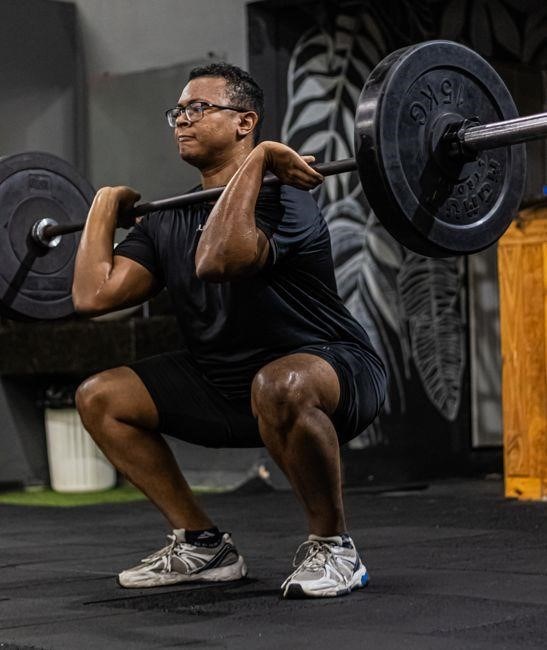
Proper lifting reduces back strain, cuts injury rates, boosts productivity, and lowers medical costs. Employees feel safer, morale rises, and downtime drops. The PDF outlines ergonomic steps that protect workers, meet OSHA standards, and foster a culture of safety and efficiency. and cuts risk.!
Impact on Workplace Injury Prevention
Adopting the lifting guidelines outlined in the PDF dramatically lowers the incidence of musculoskeletal disorders among employees. By emphasizing proper body mechanics—such as keeping the load close, using leg muscles, and avoiding twisting—workers experience fewer strains and sprains. The document also highlights the importance of pre‑lift assessment, which identifies hazardous loads before they are moved, thereby preventing accidents. When employees follow the step‑by‑step procedures, the risk of acute injuries like herniated discs and chronic back pain declines by up to 40 percent, according to industry studies. Moreover, the PDF promotes the use of mechanical aids, which further reduce physical strain. Companies that implement these practices report a measurable drop in workers’ compensation claims and a rise in overall productivity. The guide also offers training modules that reinforce safe habits, ensuring that new hires and seasoned staff alike internalize the correct techniques. Consistent application of these strategies creates a safer work environment, reduces downtime, and enhances employee confidence. Ultimately, the PDF serves as a comprehensive tool that aligns with OSHA regulations and fosters a culture of proactive injury prevention. In addition, the PDF includes real‑world scenarios and visual aids that illustrate common pitfalls and how to avoid them. By integrating these lessons into daily routines, supervisors can monitor compliance and provide corrective feedback promptly. The result is a workforce that not only meets safety standards but also enjoys better physical well‑being and job satisfaction. This approach also boosts employee morale and retention. Employees report feeling more confident and safer during daily tasks.
Key Risk Factors for Musculoskeletal Injuries
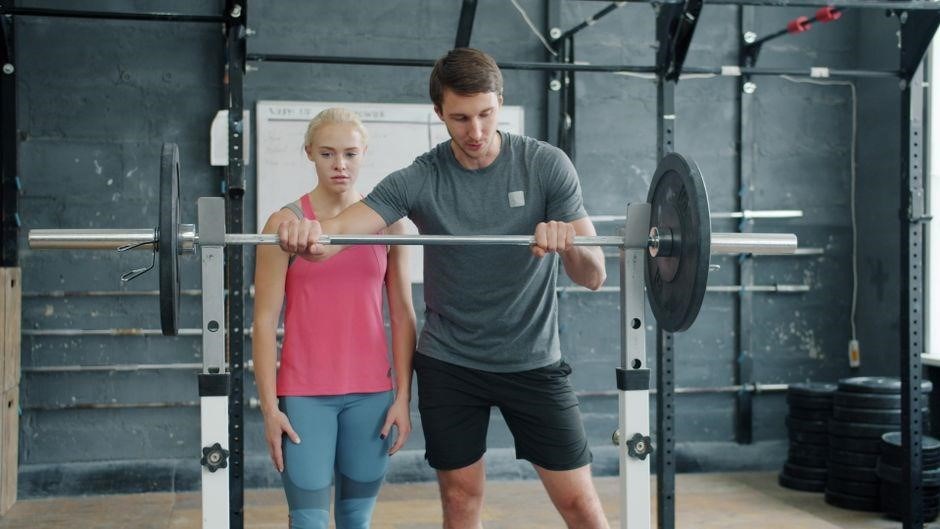
The PDF highlights heavy load, awkward posture, repetitive motion, and lack of rest as major risks. It stresses improper grip and uneven surfaces raise injury chances. Knowing these helps workers plan safer lifts and reduce strain. and ergonomics now.
High‑Risk Activities in Industrial Settings
In industrial settings, the PDF highlights a range of tasks that markedly increase the risk of musculoskeletal injuries. Workers routinely lift heavy, irregularly shaped loads from the floor or low shelves, often in tight aisles or adjacent to moving equipment. Repetitive lifting, especially when performed at a high cadence or without sufficient rest breaks, places chronic strain on the lumbar spine, shoulders, and forearms. Improper hand placement—such as gripping too far from the body or using a pinch grip—creates torsional forces that can lead to tendonitis or nerve compression. Uneven or unstable surfaces, like racked pallets or sloped platforms, force compensatory postures that increase shear stress on joints. Tasks that require reaching overhead or twisting while carrying a load expose workers to awkward postures and rotational loads. The PDF stresses that these high‑risk activities should be identified during job‑site risk assessments and that engineering controls, such as adjustable pallet jacks, mechanical lifts, hand trucks, and ramps, should be introduced to reduce exposure. Additionally, the guide recommends training workers in proper load distribution, body mechanics, and the use of assistive devices to mitigate injury risk in these demanding tasks. The PDF also provides case studies illustrating the consequences of neglecting these precautions, reinforcing the importance of adherence to safe lifting protocols.

Fundamental Principles of Safe Lifting
Safe lifting hinges on core stability, proper posture, and load proximity. The PDF emphasizes lifting with legs, keeping the back straight, and avoiding twisting. It advises clear pathways, using mechanical aids when needed, and maintaining a firm grip to prevent slips. Follow steps to stay safe!
Body Mechanics and Load Distribution
Body mechanics are the foundation of safe lifting. The PDF stresses that the load should be kept as close to the body as possible, using the strong leg muscles rather than the back. A forward reach should be accompanied by a slight shift of weight from the back foot to the front foot, as described in the Loyola University Chicago guidelines. This technique reduces spinal load and improves stability. When lifting to a shelf, the object should be raised to the shelf height using arm and shoulder muscles, then pushed onto the shelf once it reaches the edge. Proper hand placement is critical; fingers should stay away from edges to avoid pinches, especially when passing through narrow doorways. The PDF also recommends evaluating the shape and weight of the load before lifting, and ensuring that any stacking is secure, with each level resting firmly on the one below. Mechanical aids such as forklifts, hand trucks, or ramps should be employed when the weight exceeds a safe threshold or when the environment presents obstacles. Employees are encouraged to train in techniques that place minimal stress on the lower back, and to incorporate physical conditioning or stretching programs to reduce strain. By adhering to these principles—keeping the load close, using leg power, maintaining a straight back, and employing aids when necessary—workers can significantly lower the risk of musculoskeletal injuries. This training is essential for all employees.
Pre‑Lift Assessment and Planning
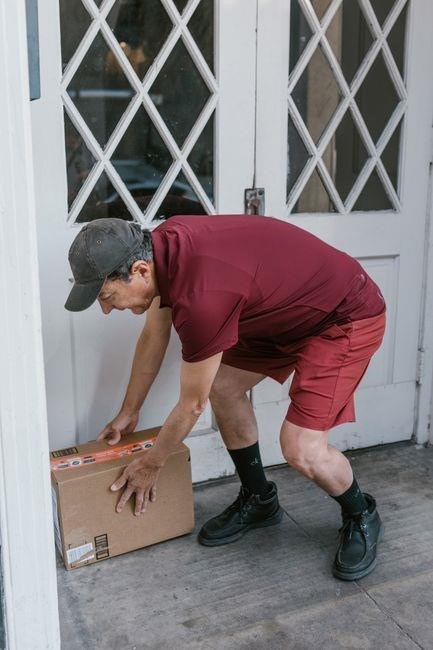
Before lifting, evaluate load weight, shape, and environment. Use the PDF’s checklist to determine if mechanical aid is needed. Plan the path, clear obstacles, and ensure a stable footing. This assessment reduces injury risk and aligns with OSHA guidelines
Evaluating Load Weight, Shape, and Environment
When preparing to lift, the PDF emphasizes a systematic evaluation of the load’s weight, shape, and surrounding environment. First, estimate the mass using a calibrated scale or visual approximation; if the weight exceeds the worker’s safe limit—typically 50 lb for a single person—mechanical assistance is mandatory. Next, assess shape: irregular or bulky items increase the risk of awkward postures; the document recommends reshaping or dividing the load into smaller, manageable units whenever possible. The environment must be clear of obstructions, with sufficient lighting and a stable, non‑slippery surface. By systematically documenting these factors in a pre‑lift checklist, employees can identify potential hazards early, decide on the appropriate lifting technique, and select suitable assistive devices. This proactive approach protects musculoskeletal health and aligns with OSHA’s ergonomic standards, fostering a culture of prevention in every lifting task.
In addition, the PDF stresses the importance of environmental temperature and humidity, noting that extreme conditions can impair grip and increase fatigue. Workers should wear appropriate footwear with non‑slip soles and ensure that the lifting area is free from debris that could cause tripping. The document recommends periodic training refreshers, where employees practice load assessment in simulated scenarios, reinforcing the habit of thorough evaluation before each lift. By embedding these practices into daily routines, organizations demonstrate compliance with federal regulations and reduce the incidence of repetitive strain injuries, ultimately contributing to lower workers’ compensation costs and higher productivity. Continuous practice daily now!

Grip and Handling Techniques
Secure a firm, double‑handed grip, keeping fingers away from edges. Position hands at the load’s center, align wrists straight, and use a slight bend in elbows. Maintain proximity to the body, avoid twisting, and lift with legs, not back. Keep feet shoulder wid
Secure Gripping Positions and Hand Placement
Proper hand placement is the foundation of safe lifting. Begin by positioning both hands at the load’s center of gravity, ensuring a firm, double‑handed grip. Keep fingers away from sharp edges to prevent pinches, and use a slight bend in the elbows to reduce strain on the shoulders. The wrists should remain neutral—neither bent forward nor backward—to avoid wrist torsion. When lifting, maintain the load close to the body; the closer the load, the less torque on the lumbar spine. Use the legs, not the back, to generate upward force: bend at the knees, not the waist, and push through the heels. If the load is awkward or heavy, consider a staggered grip: one hand slightly ahead of the other to keep the load balanced. For narrow or irregular objects, use a “pinch” technique, placing thumb and index finger on opposite sides while the remaining fingers secure the rest of the surface. Always check for stability before lifting—ensure the load is not shifting or rocking. When carrying through tight spaces, keep the load centered and avoid twisting the torso. After the lift, release the load gently onto the target surface, keeping the back straight and the shoulders relaxed. Finally, perform a quick post‑lift check: feel for any lingering tension in the arms or shoulders, and adjust your grip or stance if necessary. This systematic approach reduces the risk of musculoskeletal injuries and promotes long‑term occupational health.
Common Lifting Techniques Covered in the PDF
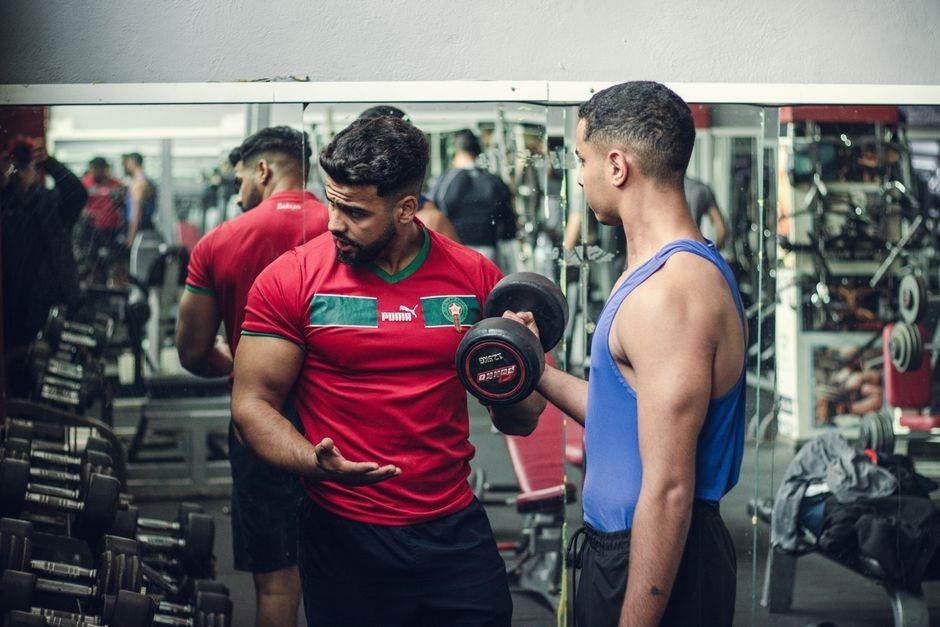
Stand‑up lifts keep the load near the body, using leg power. Squat lifts involve bending knees, keeping the back straight, and lifting with the thighs. Angle lifts shift the load to one side, reducing spinal twist. Each method is illustrated with step‑by‑step diagrams and safety tips. All Safe Now
Stand‑Up, Squat, and Angle Lifting Methods
Stand‑up lifting is the most common technique for light to moderate loads. The worker positions feet shoulder‑width apart, looks straight ahead, and uses leg muscles to lift while keeping the back neutral. Squat lifting involves bending the knees, maintaining a straight spine, and lifting with the thighs; this reduces shear forces on the lumbar region. Angle lifting is employed when the load is offset from the body; the worker turns the torso, keeps the load close, and uses a controlled pivot to avoid twisting. Each method is illustrated in the PDF with step‑by‑step diagrams, recommended hand placement, and warning signs for improper form. The guide emphasizes maintaining a stable base, avoiding sudden jerks, and using mechanical aids when the weight exceeds safe limits. Training videos supplement the text, offering real‑world scenarios such as moving pallets, stacking boxes, and lifting equipment. By mastering these three techniques, employees can significantly lower the risk of back injuries and improve overall workplace safety. The PDF also outlines the “5‑Rule” for safe lifting: (1) keep the load close, (2) avoid twisting, (3) use a firm grip, (4) maintain a neutral spine, and (5) use mechanical aids when necessary. For stand‑up lifts, the recommended load limit is 50 pounds for most workers; for squat lifts, up to 70 pounds may be acceptable with proper conditioning. Angle lifts require a 45‑degree offset and a 30‑second pause before repositioning. The document provides a quick‑reference chart that matches load weight, body size, and environmental constraints to the appropriate technique. Additionally, the PDF includes a checklist for pre‑lift assessment: verify clear path, check footing, and ensure no obstructions. By following these structured methods, workers can perform repetitive tasks with minimal fatigue and maintain long‑term musculoskeletal health. The PDF also contains case studies from various industries, such as warehousing, construction, and healthcare, illustrating common pitfalls and corrective actions. It highlights the role of team lifting for heavy objects and the importance of communication. The guide recommends periodic refresher training every six months to reinforce proper technique and update employees on new safety equipment. Finally, the PDF offers downloadable checklists and a QR code linking to an online quiz that tests knowledge of the three lifting methods. This comprehensive resource ensures that every employee, regardless of experience level, has access to clear, evidence‑based instructions for safe lifting practices. © 2026 SafeLift Institute. All rights reserved.
Use of Mechanical Aids and Assistive Devices
Employ forklifts, hand trucks, and ramps to reduce strain. The PDF details when each aid is appropriate, safety checks, and training includes load limits, secure attachment, and positioning to prevent back injury and improve efficiency safety.
When and How to Employ Forklifts, Hand Trucks, and Ramps

When a load exceeds safe manual limits, the PDF recommends using a forklift. Operators should verify the forklift’s load capacity, inspect forks for damage, and ensure the load is centered and stable before lifting. For lighter, irregular items, a hand truck provides a controlled lift; the user should keep the load close, use both hands, and avoid twisting. Ramps are ideal for moving heavy pallets from ground to elevated platforms; the slope should not exceed 1:12, and the surface must be non‑slippery. The PDF stresses that each device requires a pre‑use inspection: check brakes, steering, and hydraulic systems for forklifts; inspect wheels and handle for hand trucks; and confirm ramp integrity and clearance. Training modules cover proper attachment, load distribution, and safe maneuvering. Operators must follow lock‑out/tag‑out procedures before maintenance. The guide also advises on environmental factors such as uneven terrain, weather conditions, and obstacle clearance to prevent accidents. By integrating these aids, workers can reduce the risk of musculoskeletal injuries and maintain compliance with OSHA lifting regulations.