Bug Out Bag List: A Comprehensive Guide
Essential checklists, like those from Valley Food Storage and Mountain House, offer printable guides for 72-hour kits, updated for 2023.
Creek Stewart provides free downloadable gear lists and training videos, aiding in disaster preparedness. Experts emphasize FEMA’s recommended supplies;
Bug Out Bags, often called Go Bags, are meticulously prepared survival kits designed for swift evacuation during emergencies. These aren’t simply backpacks; they represent a proactive approach to personal safety and self-reliance when facing unforeseen disasters. Resources like Valley Food Storage highlight the importance of having a well-stocked bag, offering downloadable checklists and comprehensive survival guides, specifically a bug out bag list pdf.
The core concept revolves around readiness – being able to quickly gather essential supplies and leave a potentially dangerous situation. Experts, including Creek Stewart, emphasize the need for a 72-hour kit, providing free videos and downloadable gear lists to aid in preparation. Mountain House echoes this sentiment, referencing FEMA’s recommended disaster supplies as a foundation for a robust bug out bag.
Understanding the contents and purpose of a Bug Out Bag is the first step towards enhanced preparedness, ensuring you and your loved ones are equipped to handle challenging circumstances.
Why You Need a Bug Out Bag
Unpredictable events – natural disasters, widespread emergencies, or even localized crises – can disrupt daily life, demanding immediate evacuation. A Bug Out Bag ensures you’re not caught unprepared. Having a pre-packed kit, guided by resources offering a bug out bag list pdf, provides a crucial head start when time is of the essence.
Relying on emergency services alone can be risky during large-scale events; self-sufficiency becomes paramount. Valley Food Storage stresses preparation for evacuation, while Mountain House emphasizes the importance of a 72-hour supply, aligning with FEMA recommendations. Creek Stewart’s free resources further underscore this need.
A Bug Out Bag isn’t about fearing the worst; it’s about responsible preparedness, offering peace of mind and the ability to protect yourself and your family when faced with adversity.
Determining Bag Size and Weight
Selecting the right bag size and managing weight are critical for portability and endurance. A bug out bag list pdf often doesn’t specify size, leaving it to individual needs. Consider the duration of potential evacuation – a 72-hour kit (as recommended by FEMA and highlighted in Mountain House checklists) requires a different capacity than a longer-term setup.
Generally, a 40-60 liter backpack strikes a balance between capacity and manageability. Weight should ideally be no more than 20% of your body weight to prevent strain and injury. Prioritize essential items, utilizing resources like those from Valley Food Storage to streamline your packing list.
Regularly assess and adjust your bag’s contents, removing unnecessary items to maintain a reasonable weight. Remember, a lighter bag means greater mobility and increased survivability.

Essential Bug Out Bag Components
Core items, detailed in bug out bag list pdf guides, include water, food, shelter, first aid, and tools – vital for 72-hour survival.
Water: Purification and Storage
Hydration is paramount; a bug out bag list pdf will emphasize carrying enough water for at least three days, ideally one gallon per person daily. However, weight considerations necessitate prioritizing purification methods. Essential tools include water filters – Sawyer Mini or LifeStraw are popular choices – capable of removing bacteria and protozoa.
Water purification tablets, offering a lightweight backup, are also crucial. Consider including a durable, collapsible water container like a Platypus or CamelBak for storage. Boiling water remains a reliable, albeit fuel-dependent, purification technique. Remember to pack a metal container suitable for boiling. Beyond immediate consumption, water is needed for hygiene and first aid, so plan accordingly. Proper storage prevents contamination and ensures a safe water supply during emergencies.
Food: Non-Perishable Options
A comprehensive bug out bag list pdf prioritizes calorie-dense, non-perishable food items. Focus on foods requiring minimal preparation and no refrigeration. Excellent choices include energy bars, freeze-dried meals (Mountain House is a popular brand), and ready-to-eat meals (MREs).
Nuts, seeds, and dried fruits provide sustained energy and essential nutrients. Consider including canned goods, but be mindful of the added weight. Don’t forget a manual can opener! Electrolyte replacement packets are vital for maintaining hydration and preventing fatigue. Aim for a three-day supply, but extend it if possible. Proper food storage in waterproof packaging is crucial to prevent spoilage and maintain nutritional value during prolonged emergencies.
Shelter and Warmth
A well-prepared bug out bag list pdf must address shelter and thermal regulation. A lightweight, waterproof tarp provides versatile protection from the elements. Consider a compact emergency bivy sack or sleeping bag rated for temperatures lower than expected in your region.
Essential items include a space blanket for immediate warmth and a fire starter (discussed elsewhere) for sustained heat. Don’t underestimate the importance of extra socks – wet feet can lead to hypothermia. A small, portable tent offers more substantial shelter, but adds weight. Prioritize items that offer multiple uses; a tarp can also collect rainwater. Proper insulation is key to survival in cold environments, so pack accordingly.
First Aid and Medical Supplies
A comprehensive bug out bag list pdf necessitates a robust first aid kit. Include bandages of various sizes, antiseptic wipes, pain relievers, and blister treatment. Essential medications, both prescription and over-the-counter, should be included with clear labeling and dosage instructions.
Consider adding trauma dressings, a tourniquet, and chest seals for severe injuries, alongside gloves and a CPR mask for safe assistance. Don’t forget items like tweezers, scissors, and safety pins. A first aid manual provides crucial guidance in emergency situations. Prioritize addressing potential injuries specific to your environment. Regularly check expiration dates and replenish supplies to ensure readiness.

Tools and Navigation
Essential tools, like knives and multi-tools, are vital; maps, compasses, and GPS devices aid navigation, as detailed in bug out bag list pdf guides.
Cutting Tools: Knives and Multi-Tools
A robust knife is arguably the most crucial tool within any bug out bag, serving countless purposes from shelter building to food preparation and self-defense. Prioritize a full-tang fixed blade knife for durability, ensuring it can withstand rigorous use. Consider a blade length between 4-6 inches, striking a balance between versatility and portability.
Multi-tools, like Leatherman or Gerber options, offer a compact solution for a variety of tasks. They consolidate pliers, screwdrivers, saws, and other useful implements into a single, easily carried package. While not a replacement for a dedicated knife, a multi-tool significantly expands your capabilities. Bug out bag list pdf resources consistently highlight both fixed blade knives and multi-tools as essential components.
Sharpening tools are equally important; a dull knife is a dangerous knife. Include a sharpening stone or a pocket-sized sharpener to maintain your blade’s effectiveness. Remember to practice safe knife handling techniques before relying on these tools in an emergency situation. Proper maintenance ensures your cutting tools remain reliable when you need them most.
Fire Starting Methods
Reliable fire starting is paramount for warmth, cooking, water purification, and signaling in a survival scenario. Multiple redundant methods are crucial, as a single point of failure could be life-threatening. A butane lighter provides a quick and easy flame, but fuel can deplete. Therefore, include a ferrocerium rod (“ferro rod”) and striker – these work even when wet and have a long lifespan.
Waterproof matches, stored in a waterproof container, offer another dependable option. Consider preparing DIY fire starters like cotton balls soaked in petroleum jelly or commercially available fire starter cubes. Bug out bag list pdf guides consistently emphasize the importance of redundancy in fire starting capabilities.
Tinder is equally vital. Natural tinder like birch bark or dry grass can be used, but carrying commercially prepared tinder ensures success even in damp conditions. Practice using your chosen methods beforehand to build proficiency and confidence.
Navigation: Maps, Compass, and GPS
Effective navigation is critical when bugging out, as relying solely on technology is risky. A topographic map of your area, ideally waterproofed, provides a comprehensive overview of terrain and potential routes. Complement this with a baseplate compass and the knowledge to use it effectively – learn to take bearings and orient yourself. Bug out bag list pdf resources consistently highlight these as foundational skills.
A GPS device can be a valuable supplement, but remember it requires batteries and is susceptible to signal loss or EMP events. Pre-load maps onto the device and carry extra batteries. Consider a solar charger for extended use;
Understanding map reading and compass skills is paramount; practice regularly. Don’t solely depend on electronic devices; proficiency with traditional methods is essential for true self-reliance.
Clothing and Personal Items
Bug out bag list pdf guides stress durable, weather-appropriate clothing, plus hygiene essentials. Prioritize layers, moisture-wicking fabrics, and copies of vital personal documents.
Appropriate Clothing for All Weather
Selecting clothing for your bug out bag, as detailed in many bug out bag list pdf resources, requires careful consideration of potential weather conditions. Prioritize layering systems to adapt to fluctuating temperatures – a base layer for moisture-wicking, an insulating mid-layer for warmth, and a waterproof/windproof outer shell for protection.
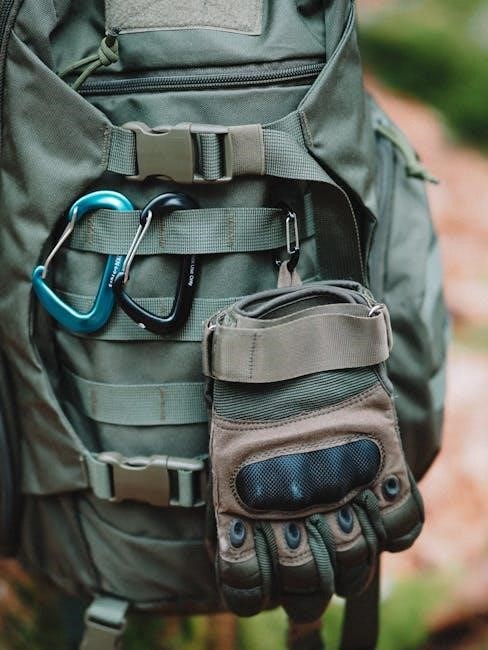
Include durable, long-sleeved shirts and pants for protection against insects, scratches, and the sun. Don’t forget sturdy, broken-in hiking boots, along with several pairs of moisture-wicking socks to prevent blisters. A wide-brimmed hat offers sun protection, while a warm hat and gloves are crucial for colder climates.
Consider packing extra underwear and a bandana, which has multiple uses. Focus on clothing made from materials like merino wool or synthetic fabrics, as they retain warmth even when wet and dry quickly. Remember to choose colors that blend with the environment for increased concealment if necessary.
Personal Hygiene Items
Maintaining personal hygiene during a bug-out situation, often outlined in comprehensive bug out bag list pdf guides, is crucial for health and morale. Include a travel-sized toothbrush, toothpaste, biodegradable soap, and a quick-drying towel. Don’t overlook feminine hygiene products, if applicable, and toilet paper – consider storing it in a waterproof bag.
Hand sanitizer is essential for preventing the spread of germs when water is scarce. Pack wet wipes for quick cleanups and a small mirror for medical checks or grooming. Consider including lip balm with SPF to protect against sun and wind.
A small first-aid kit dedicated to hygiene, containing antiseptic wipes and blister treatment, is also beneficial. Remember to prioritize lightweight and multi-purpose items to minimize weight and maximize space within your bag. Proper hygiene can significantly reduce the risk of illness.
Important Documents (Copies)
A well-prepared bug out bag list pdf consistently emphasizes the inclusion of crucial document copies. Never rely on originals, as loss or damage could create significant problems. Include copies of identification – driver’s licenses, passports, and birth certificates – sealed in waterproof bags.
Also, copy insurance cards (health, auto, home), medical records (especially prescriptions and allergies), and financial documents like bank account details and credit card information. Consider including copies of deeds, titles, and wills;
Digital backups on a USB drive are helpful, but physical copies are vital if electronic access is unavailable. Store these documents alongside other essential supplies, ensuring they remain protected from the elements. Having these readily available can streamline recovery efforts post-disaster.

Security and Self-Defense
Bug out bag list pdf resources suggest considering legal self-defense tools and signaling devices for emergencies, prioritizing personal safety and communication capabilities;
Self-Defense Tools (Legal Considerations)
Selecting self-defense tools for your bug out bag requires careful consideration of local and federal laws. A bug out bag list pdf should not dictate specific items, but rather prompt research into legality. Pepper spray, for instance, faces restrictions in some states, while knives have varying blade length limitations.
Firearms, if legally owned and carried with proper permits, are a potent option, but demand extensive training and responsible storage. Non-lethal options like personal alarms or tactical flashlights can deter attackers without escalating the situation. Always prioritize de-escalation and avoidance.
Understanding “castle doctrine” and self-defense laws in your potential bug-out locations is crucial. A pdf checklist should include a reminder to verify legal compliance before including any self-defense item. Ignoring these considerations could lead to severe legal repercussions during an already stressful event.
Signaling Devices
Effective signaling is paramount in a survival scenario, and a comprehensive bug out bag list pdf should prioritize multiple methods. A whistle is lightweight and requires minimal effort to operate, capable of carrying sound over considerable distances. Signal mirrors utilize sunlight to create a flashing beacon visible to aircraft or distant search parties.
Brightly colored flags or cloths can mark your location, while flares provide a powerful visual signal, especially at night. Consider a hand-crank or solar-powered radio for receiving emergency broadcasts and potentially transmitting a distress call.
A pdf checklist should remind you to include extra batteries for any electronic devices. Knowing how to use these tools effectively is as important as possessing them; practice signaling techniques beforehand. Prioritize devices that don’t rely on infrastructure, ensuring communication even when networks are down.

Additional Considerations
Downloadable bug out bag list pdf resources highlight lighting and communication needs; radios and chargers are vital for staying informed and connected.
Lighting: Flashlights and Headlamps
Reliable lighting is paramount within any comprehensive bug out bag, especially considering potential power outages during emergencies. Several resources, including downloadable bug out bag list PDFs, consistently emphasize the inclusion of both flashlights and headlamps. Flashlights provide a focused beam for distance, while headlamps offer hands-free operation – invaluable when navigating challenging terrain or performing tasks in the dark.
Consider LED technology for extended battery life and durability. Pack extra batteries, or explore options like hand-crank or solar-powered lights to eliminate reliance on disposable power sources. A red-light filter can preserve night vision and minimize detection. Prioritize waterproof and impact-resistant models for longevity. Don’t underestimate the psychological comfort a reliable light source provides during stressful situations; it’s a crucial component of preparedness.
Communication: Radios and Chargers
Maintaining communication during a disaster is vital, and a bug out bag list PDF will invariably highlight radios as essential. NOAA weather radios provide critical updates on impending threats, while two-way radios facilitate contact with family or groups. Hand-crank or solar-powered radios eliminate the need for batteries, ensuring functionality when power is unavailable.
Alongside radios, portable chargers are crucial for keeping essential devices operational. Power banks capable of charging smartphones and other USB-powered equipment are highly recommended. Consider a solar charger for renewable energy. Don’t forget the necessary charging cables! Prioritize durable, waterproof options. Effective communication can be the difference between safety and peril, making these items non-negotiable additions to your preparedness kit.
Downloadable Bug Out Bag Checklists & Guides
Numerous resources offer downloadable bug out bag list PDFs to streamline your preparation. Valley Food Storage provides a comprehensive survival guide including a printable checklist, ensuring you don’t overlook vital items. Creek Stewart’s website features free downloadable gear lists and training videos, enhancing your understanding of essential equipment.
Mountain House references FEMA’s recommended 72-hour disaster supplies kit as a foundation for a bug out bag checklist. These guides typically categorize items – water, food, shelter, first aid, tools – for organized packing. Utilizing a PDF checklist minimizes errors and promotes efficiency. Regularly review and update your list based on your specific needs and potential scenarios. A well-prepared checklist is your first step towards effective disaster readiness.